
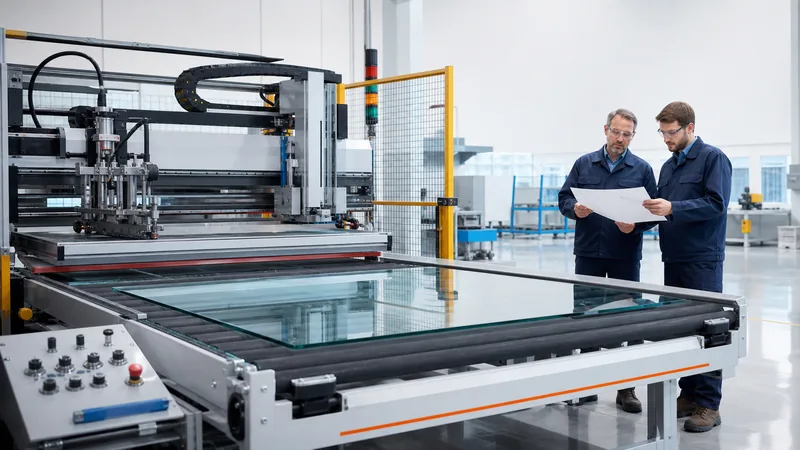
Quick answer: Choose a glass screen printing machine by matching it to the actual glass, ink process, registration tolerance, changeover pattern, plant safety requirements, and service plan—not by comparing a short list of headline specifications.
A useful request for quotation starts with representative parts and a process description. Ask each supplier to explain how the proposed machine will handle the smallest, largest, lightest, and most difficult panels in the expected product mix.
Review YISEN’s related equipment category, custom automation service process, and manufacturing overview before requesting a project-specific proposal.
What to compare when selecting a glass screen printing machine
| Decision factor | Buyer question | Evidence to request |
|---|---|---|
| Part envelope | What are the minimum and maximum panel dimensions, thicknesses, weights, and edge conditions? | A written working envelope tied to sample parts |
| Print process | Which inks, screen frames, print areas, and curing steps will be used? | Process flow and compatibility review |
| Registration | How is the panel located, referenced, and rechecked after changeover? | Repeatability test using buyer-supplied samples |
| Handling | Where can glass contact rollers, guides, stops, or vacuum tooling? | Contact-point drawing and surface-protection plan |
| Safety and controls | What guarding, interlocks, energy isolation, and control architecture are included? | Risk-review documents and control-component list |
| Support | What training, manuals, spare parts, and remote troubleshooting are included? | Deliverables list with response channels |
A practical procurement process
- Define the process window. List glass sizes, thickness range, surface condition, target artwork, ink system, screen dimensions, upstream conditions, and downstream curing. Separate current products from possible future products so the supplier can identify which requirements drive cost and complexity.
- Send representative samples. Provide samples that cover normal production and difficult edge cases. A successful test on one convenient panel does not prove that the complete product mix will run reliably.
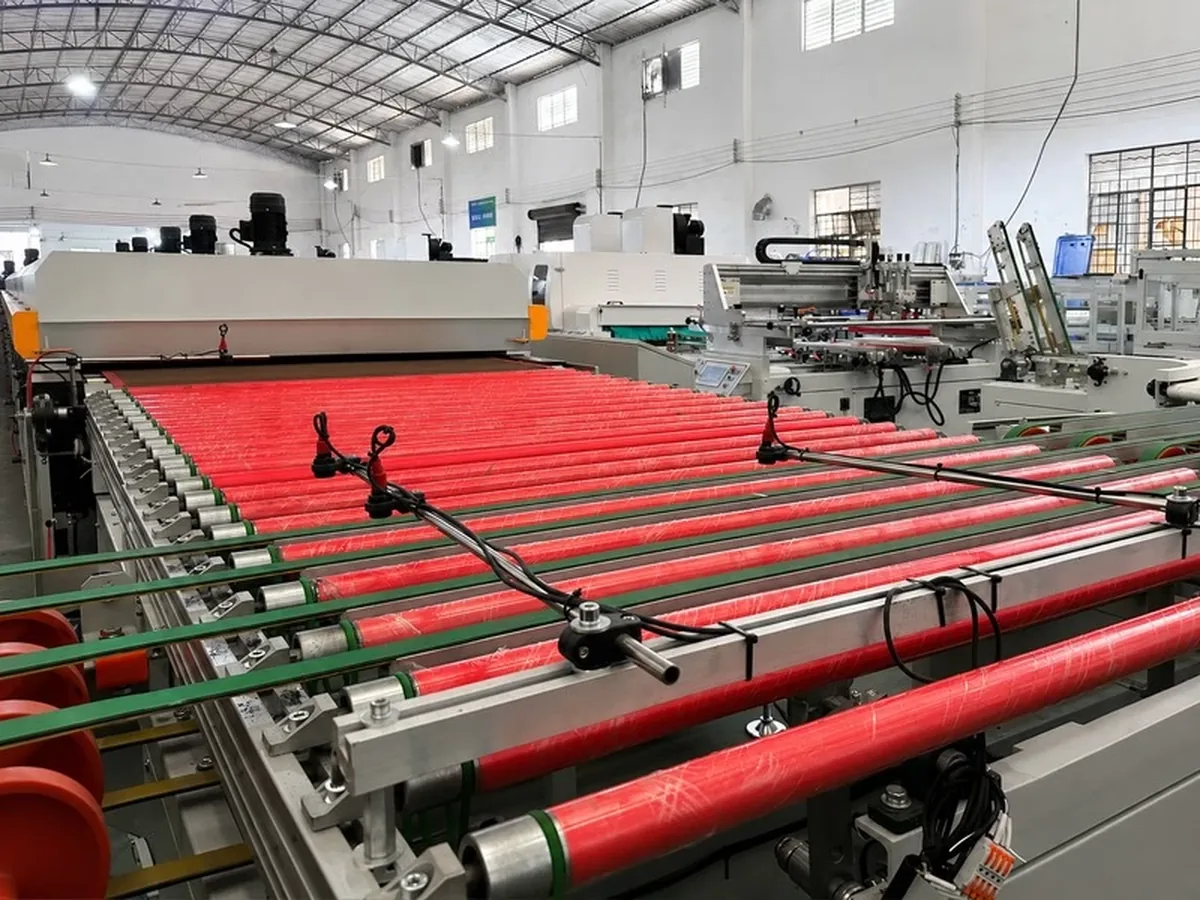
- Review the complete cell. Evaluate infeed, alignment, printing, outfeed, operator access, cleaning, utilities, and interfaces as one system. A printing unit that looks suitable in isolation can still create handling or changeover problems.
- Agree on acceptance evidence. Define the test quantity, inspection method, approved ink and screen, changeover demonstration, safety checks, and documents required before shipment. Record who supplies each test item.
Common purchasing mistakes to avoid
- Buying from maximum size alone. A large working area does not explain how the machine controls thin, small, coated, or irregular panels.
- Using an undefined accuracy claim. Ask what is measured, under which conditions, for how many cycles, and with what inspection method.
- Leaving plant standards until installation. Electrical, safety, network, and utility requirements should be reviewed before the design is frozen.
Supplier catalog context
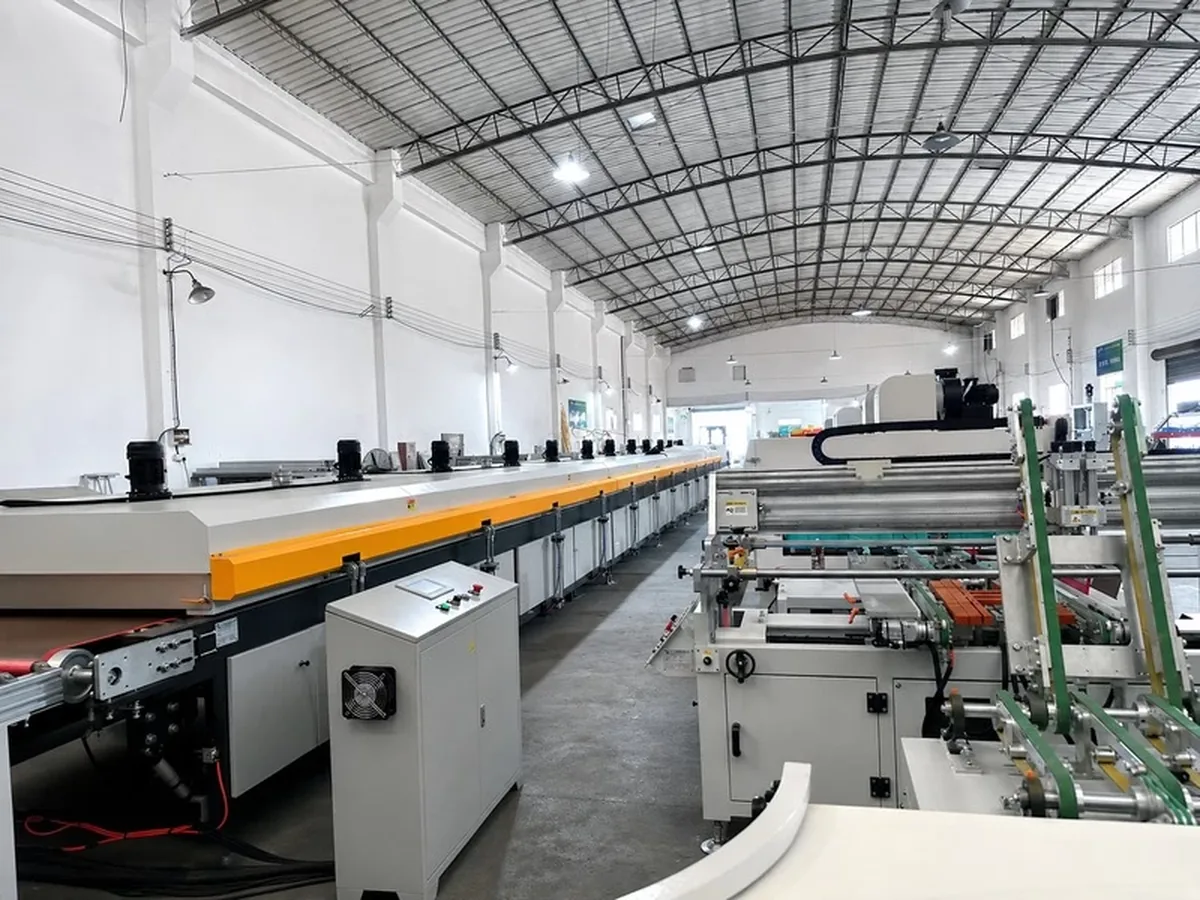
The 2025 YISEN product catalog lists YSC servo-series machine configurations for different glass working ranges and identifies touch-screen parameter storage, XY center positioning, automatic fault indication, and optional process-specific accessories. Treat catalog values as a starting point and confirm the final model, working range, utilities, configuration, and acceptance conditions in the supplier quotation.
Practical buying scenario
A U.S. appliance-glass buyer may run several panel sizes with different print locations during the same shift. For that buyer, documented recipe control, locating strategy, screen-change access, cleaning time, and sample-based testing may matter more than nominal cycle speed.
Buyer FAQ
Should I ask for a standard machine or a customized configuration?
Start with the process window. Customization is justified when standard handling, working area, alignment, controls, or interfaces cannot support the confirmed products and plant conditions.
How many samples should be tested?
There is no universal number. Include enough normal and difficult parts to demonstrate loading, alignment, printing, unloading, inspection, and at least one representative changeover.
What utilities should be confirmed?
Confirm voltage and frequency, compressed-air quality and demand, exhaust or ventilation needs, network policy, ambient conditions, and available floor loading.
Can the supplier guarantee print quality?
Print results depend on glass condition, screens, ink, environment, setup, and inspection criteria. Define the controllable conditions and acceptance method instead of requesting a broad guarantee.
What information should be included in the quotation?
Request the machine scope, exclusions, utilities, layout, controls, safety devices, documentation, testing, packaging, delivery basis, installation support, training, warranty terms, and spare-parts list.
Prepare a useful RFQ
For a focused glass screen printing machine review, send the glass type, material and coating, dimensions and thickness range, application environment, artwork or registration requirement, customization needs, estimated order quantity or production mix, packaging expectations, destination country, and required project date. Confirm all final specifications, compliance responsibilities, commercial terms, and acceptance criteria with the supplier and qualified U.S. specialists.
For a focused glass screen printing machine discussion, submit the project details to YISEN. The technical team can review the confirmed application and propose the next engineering step.