
Quick answer: Evaluate an industrial automation integrator by checking process understanding, relevant engineering evidence, project controls, manufacturing and testing practices, documentation, service coverage, and contract clarity.
A polished proposal is not a substitute for due diligence. Ask the integrator to explain assumptions, show how risks are closed, and provide evidence from the proposed build process rather than relying on broad capability statements.
Review YISEN’s related equipment category, custom automation service process, and manufacturing overview before requesting a project-specific proposal.
Industrial automation integrator evaluation scorecard
| Decision factor | Buyer question | Evidence to request |
|---|---|---|
| Process fit | Can the team explain the product variation and failure modes? | Process review and requirement questions |
| Engineering method | How are concepts, risks, calculations, drawings, software, and changes reviewed? | Sample project documents with confidential data removed |
| Build control | How are fabrication, assembly, wiring, inspection, and version control managed? | Workshop walkthrough and quality records |
| Testing | Can representative samples, faults, recovery, and interfaces be demonstrated? | Draft FAT protocol |
| Documentation | Which drawings, backups, manuals, parts lists, and training items are delivered? | Document register |
| Support | Who responds across time zones and what requires travel? | Named escalation and service scope |
A practical procurement process
- Issue the same RFQ package. Give shortlisted suppliers the same products, requirements, interfaces, and acceptance basis. Record clarifications so commercial comparisons remain meaningful.
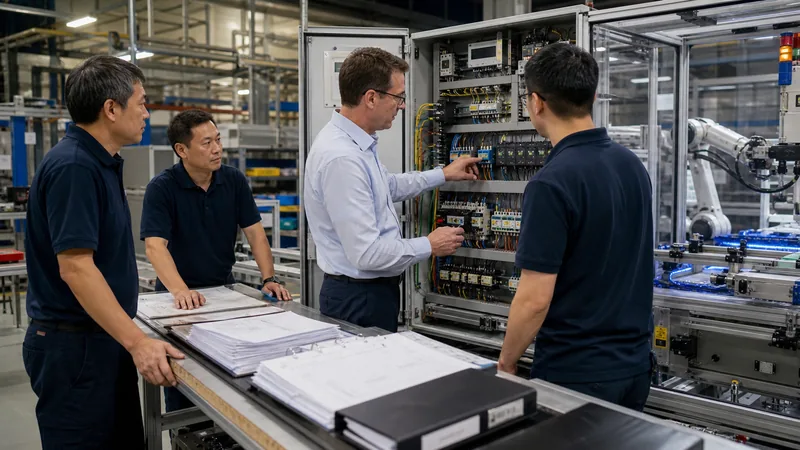
- Hold a technical review. Ask the proposed project engineers—not only sales staff—to walk through sequence, cycle assumptions, risks, safety, controls, maintenance, and recovery.
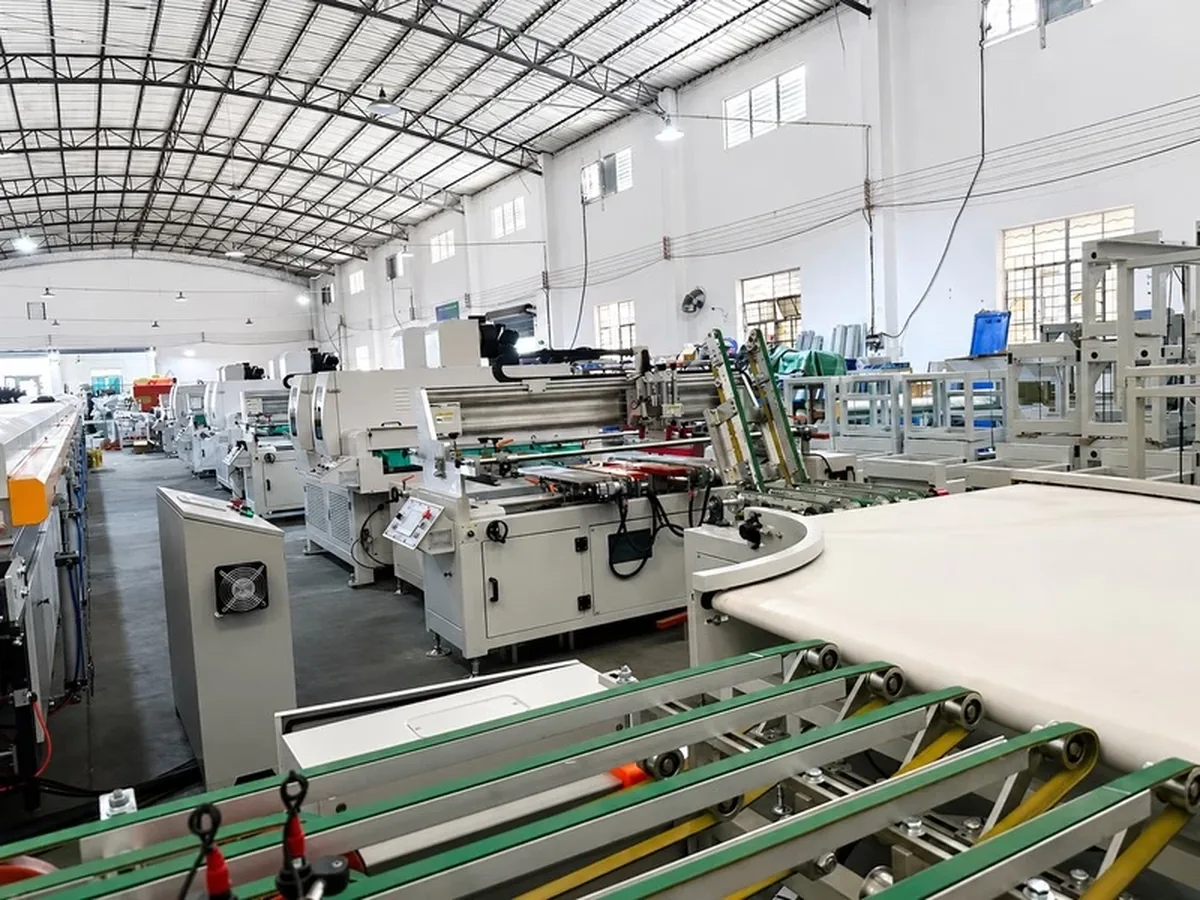
- Verify the workshop and project system. Review the actual build environment, electrical assembly, software management, inspection, document control, and test area. Remote evidence can supplement a site visit when travel is impractical.
- Normalize the proposals. Create a comparison of included equipment, options, exclusions, utilities, testing, installation, training, spares, warranty, delivery terms, and change-control rates.
Common purchasing mistakes to avoid
- Selecting on price before technical alignment. A lower quote may omit interfaces, testing, guarding, documentation, or site support.
- Requesting confidential customer details. Useful due diligence can focus on methods, anonymized evidence, and verifiable company information.
- Ignoring the assigned team. Capability depends on the engineers and managers allocated to the project, not only the company profile.
Practical buying scenario
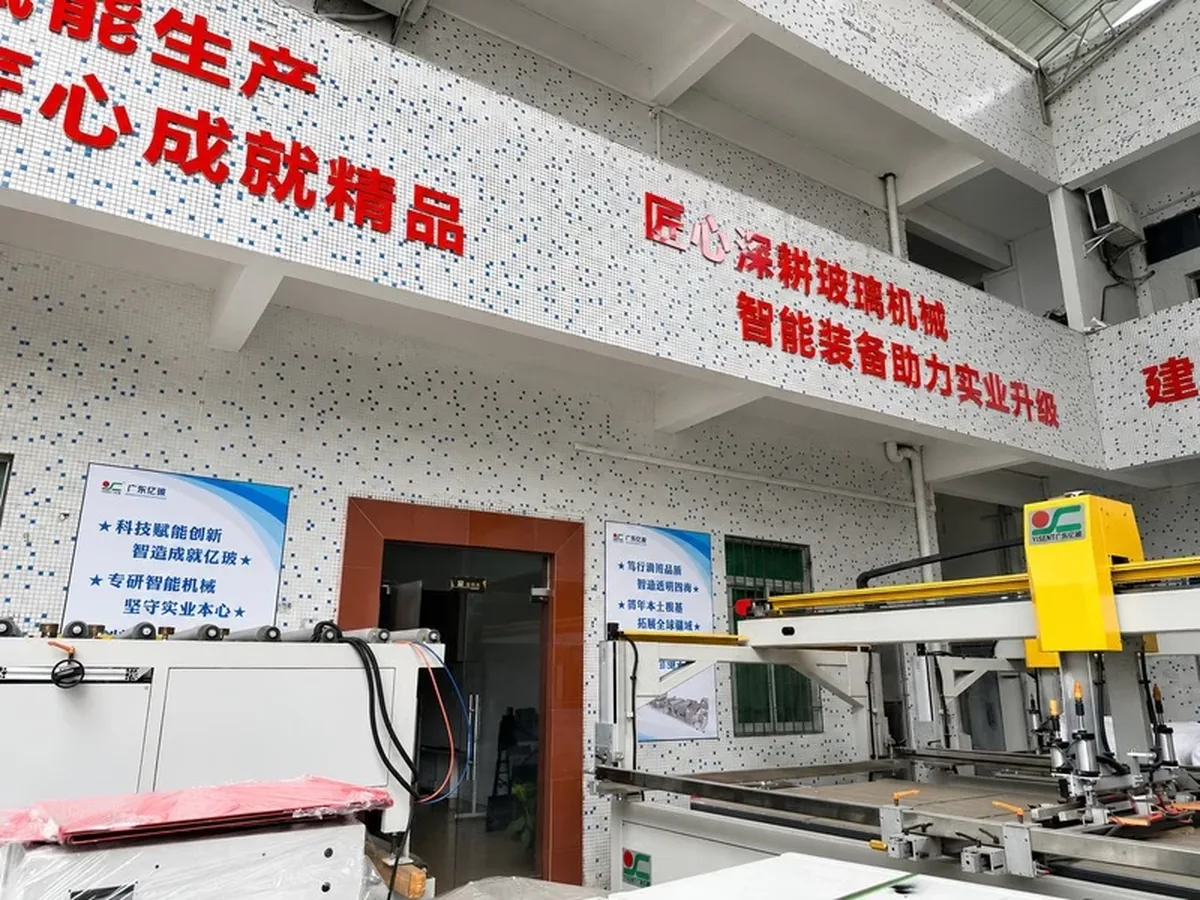
A U.S. buyer comparing overseas integrators can schedule a remote design review, live workshop walkthrough, sample-test discussion, and document review before placing the order. The result should be a risk-based selection record, not a collection of marketing claims.
Current U.S. and technical references
Requirements can change and depend on the final application. Review current official guidance and obtain qualified advice where needed.
Buyer FAQ
Should I require customer references?
References can help when permitted, but protect confidentiality and verify that the referenced scope is relevant to your process and project risk.
What financial information is appropriate?
The level depends on contract size and risk. Use qualified legal and financial advisers for ownership, solvency, sanctions, and commercial checks.
How do I compare different technical concepts?
Use the same requirements and score safety, process risk, rate basis, maintainability, flexibility, evidence, delivery, and lifecycle support—not just component counts.
What should be demonstrated before purchase?
At minimum, confirm the proposed team, engineering method, build capability, test plan, deliverables, service model, and major technical assumptions.
How should language and time-zone risk be handled?
Name communication owners, document decisions in one working language, set review cadence, define response channels, and plan overlap hours for critical stages.
Prepare a useful RFQ
For a supplier-fit discussion, send the product and process type, materials, dimensions, operating environment, customization scope, expected volume and product mix, packaging or line interfaces, destination country, and required project date. Confirm all final specifications, compliance responsibilities, commercial terms, and acceptance criteria with the supplier and qualified U.S. specialists.
For a focused evaluate industrial automation integrator discussion, submit the project details to YISEN. The technical team can review the confirmed application and propose the next engineering step.