
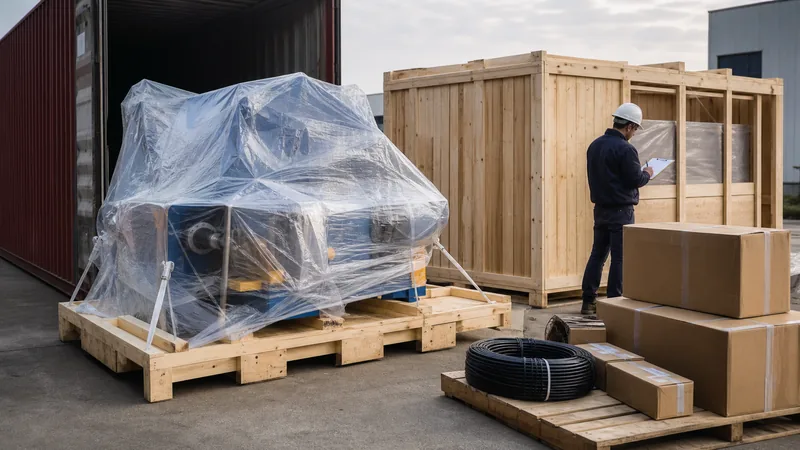
Quick answer: Export packaging for industrial machinery should protect the equipment through handling, ocean transit, storage, inland delivery, rigging, and unpacking. The plan should cover moisture, corrosion, shock, blocking, lifting, loose parts, documents, and applicable wood packaging requirements.
Packaging is part of the equipment project, not a last-minute shipping task. Final crate dimensions, weights, split points, lifting locations, center of gravity, storage limits, and packing-list detail should be reviewed before dispatch.
Review YISEN’s related equipment category, custom automation service process, and manufacturing overview before requesting a project-specific proposal.
Export packaging for industrial machinery checkpoints
| Decision factor | Buyer question | Evidence to request |
|---|---|---|
| Transit risks | What handling, climate, storage, vibration, and transfer conditions are expected? | Route and logistics risk review |
| Protection | Which surfaces, controls, optics, rails, cables, and finishes need special protection? | Component-level packaging plan |
| Blocking and lifting | How is movement prevented and safe lifting communicated? | Base, restraint, lifting, and center-of-gravity drawings |
| Loose parts | How are tools, spares, cables, manuals, and removed assemblies identified? | Detailed case packing list |
| Wood packaging | Does regulated wood material meet current destination requirements? | Current APHIS review and supplier evidence |
| Inspection | How are condition and completeness documented before closing crates? | Pre-pack and sealed-crate records |
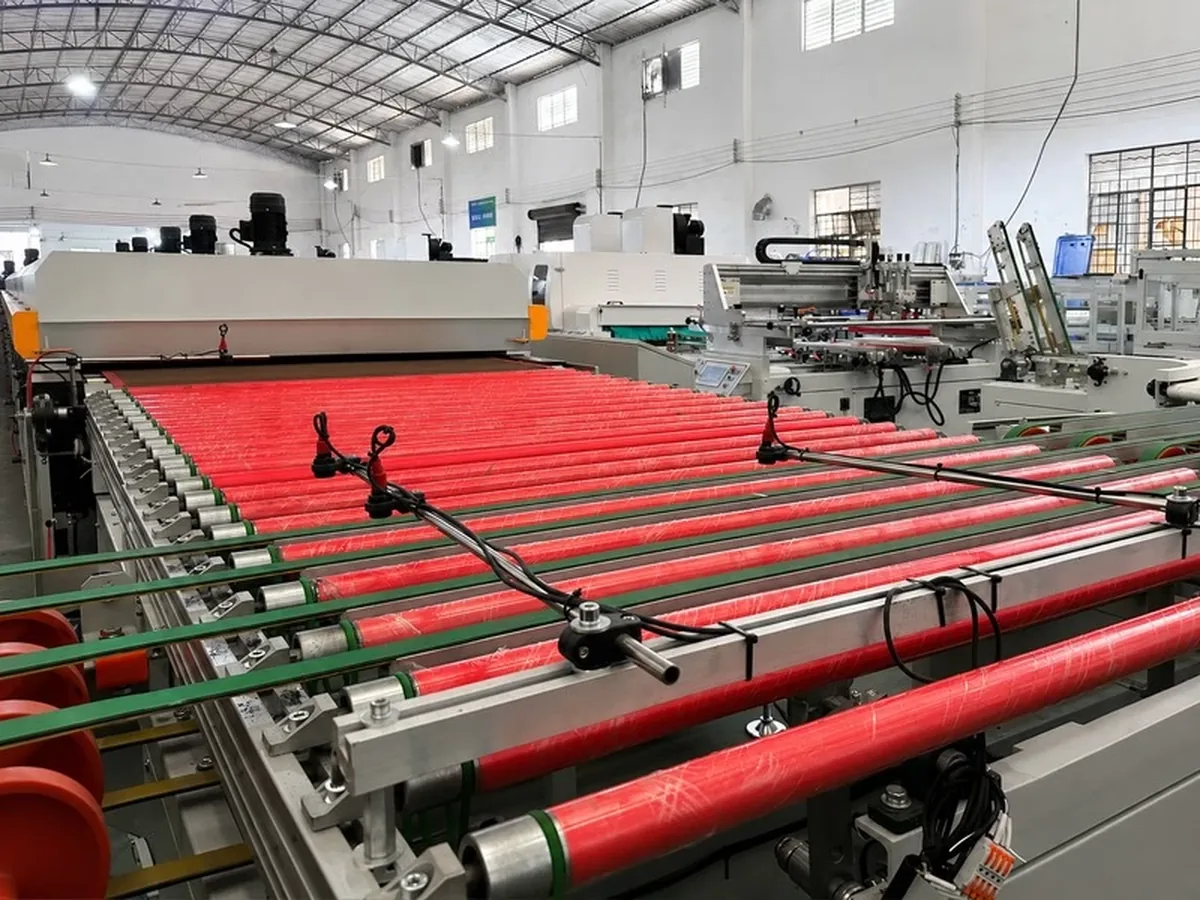
A practical procurement process
- Define the transport chain. List each loading, transfer, storage, port, inland, and rigging stage. Note exposure time, climate, orientation limits, equipment, and responsibility.
- Prepare and preserve the machine. Clean and dry surfaces, secure moving components, protect corrosion-sensitive items, isolate fluids as required, cover openings, and document preservation steps.
- Control every package. Assign case numbers, contents, dimensions, gross and net weights, lifting points, center of gravity where relevant, and destination. Match markings to shipping documents without exposing sensitive data unnecessarily.
- Inspect on receipt. Before unpacking, record external condition, seals, shock or tilt indicators if used, and visible damage. Follow the contract and insurer’s notice process before moving damaged items.
Common purchasing mistakes to avoid
- Using packaging designed only for truck delivery. Ocean and multimodal routes may add humidity, salt exposure, transfers, and storage.
- Placing critical loose parts in untracked boxes. Installation can stop when sensors, brackets, keys, cables, or tools cannot be located.
- Assuming wood packaging rules are static. Confirm current destination requirements for the actual materials and route before shipment.
Practical buying scenario
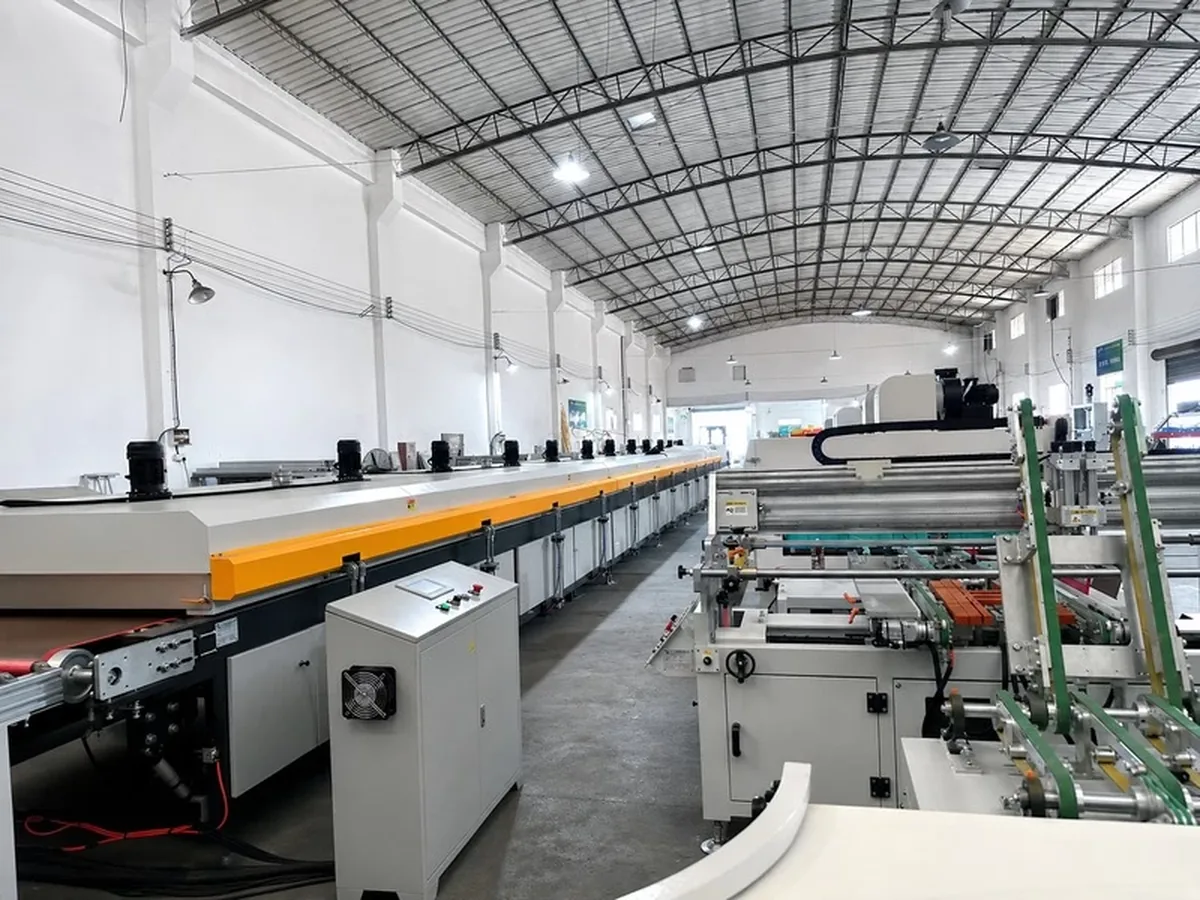
A large automation line may ship in several cases with cross-case dependencies. The packing plan should identify which case is needed first for installation, where manuals and backups are stored, and how each assembly is lifted without damaging alignment surfaces.
Current U.S. and technical references
Requirements can change and depend on the final application. Review current official guidance and obtain qualified advice where needed.
Buyer FAQ
Is plywood regulated the same as solid wood packaging?
APHIS defines regulated and exempt materials. Confirm the current requirements for the exact crate, blocking, dunnage, and pallets used.
Should machinery be vacuum packed?
Choose moisture and corrosion protection from the equipment materials, route, storage period, climate, and reopening needs. One method does not fit every machine.
What should be removed before shipment?
Remove or secure items based on transport risk and manufacturer instructions, then label, protect, and document them for reassembly.
Who approves the packaging design?
Define responsibility in the contract. Technical, logistics, insurer, broker, and rigging input may all be relevant.
What evidence should the supplier provide?
Request packaging photos, preservation records, case lists, dimensions, weights, lifting information, wood-packaging evidence where applicable, and sealed-crate condition records.
Prepare a useful RFQ
For an export-packaging review, send the equipment type, materials and sensitive components, overall dimensions and split points, storage environment, customization needs, number of cases, packaging preferences, destination country, delivery route, and required ship date. Confirm all final specifications, compliance responsibilities, commercial terms, and acceptance criteria with the supplier and qualified U.S. specialists.
For a focused export packaging for industrial machinery discussion, submit the project details to YISEN. The technical team can review the confirmed application and propose the next engineering step.