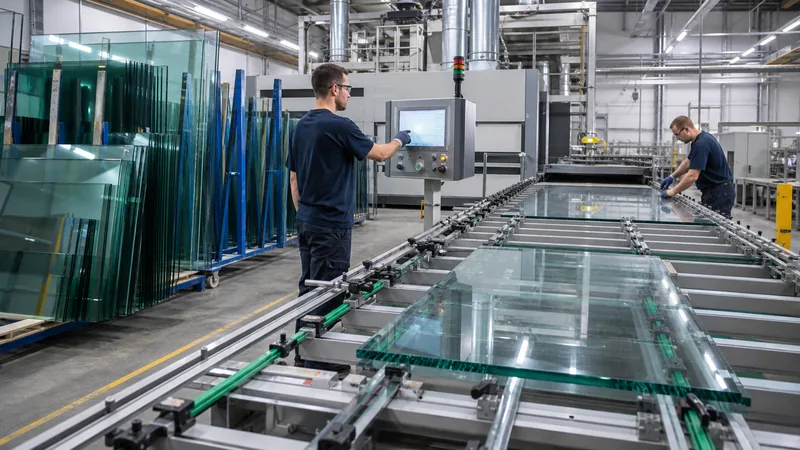
Quick answer: A glass printing line changeover includes more than selecting a recipe. It may involve racks, guides, supports, screens, locating devices, vision settings, dryer conditions, inspection limits, cleaning, and first-piece approval.
Buyers should define the product families that change most often and the two products that create the hardest transition. The supplier can then design adjustment methods and demonstrate a realistic changeover instead of quoting an unsupported time.
Review YISEN’s related equipment category, custom automation service process, and manufacturing overview before requesting a project-specific proposal.
Glass printing line changeover elements
| Decision factor | Buyer question | Evidence to request |
|---|---|---|
| Recipe control | Which parameters are stored, protected, and restored? | Recipe list and access-control demonstration |
| Mechanical adjustment | Which guides, stops, supports, and tooling move? | Adjustment-point map and scales or presets |
| Screen and ink | How are screens exchanged, cleaned, stored, and verified? | Changeover work instruction |
| Vision and inspection | Which references, lighting, and defect limits change? | Approved settings and first-piece method |
| Upstream/downstream | How are racks, washers, dryers, and handling devices coordinated? | Line-wide changeover checklist |
| Approval | Who releases the first acceptable part? | Recorded first-piece inspection |
A practical procurement process
- Group products into families. Use size, thickness, artwork, ink, screen, locating method, thermal recipe, and inspection method. A family should share meaningful setup conditions, not just a marketing category.
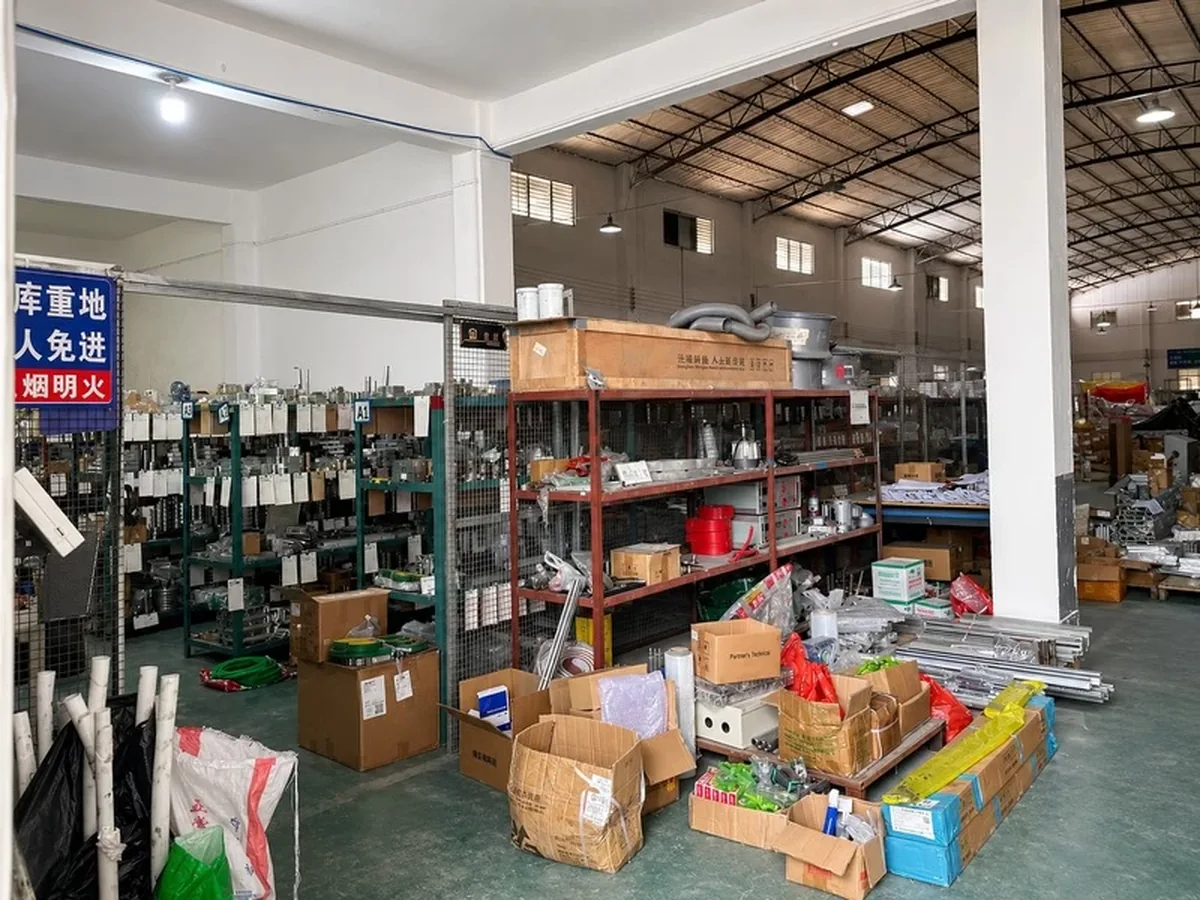
- Classify every adjustment. Identify automatic, guided manual, tool-assisted, and fully manual tasks. Record access, tools, lifting aids, verification, and risk for each one.
- Prevent setup errors. Use clear identifiers, keyed parts, position indicators, protected recipes, checklists, and confirmation sensors where justified. Avoid relying on memory for critical settings.
- Measure from last good to first good. A changeover ends when the next product is accepted, not when mechanical movement stops. Include cleaning, material staging, screen setup, trial parts, and inspection.
Common purchasing mistakes to avoid
- Quoting a changeover time without a start and finish. Different definitions can hide cleaning, staging, and first-piece approval.
- Automating low-value adjustments first. Prioritize tasks that consume time, create defects, require risky access, or are frequently performed.
- Ignoring production scheduling. Sequence products to reduce ink, screen, size, and thermal changes when the demand plan allows.
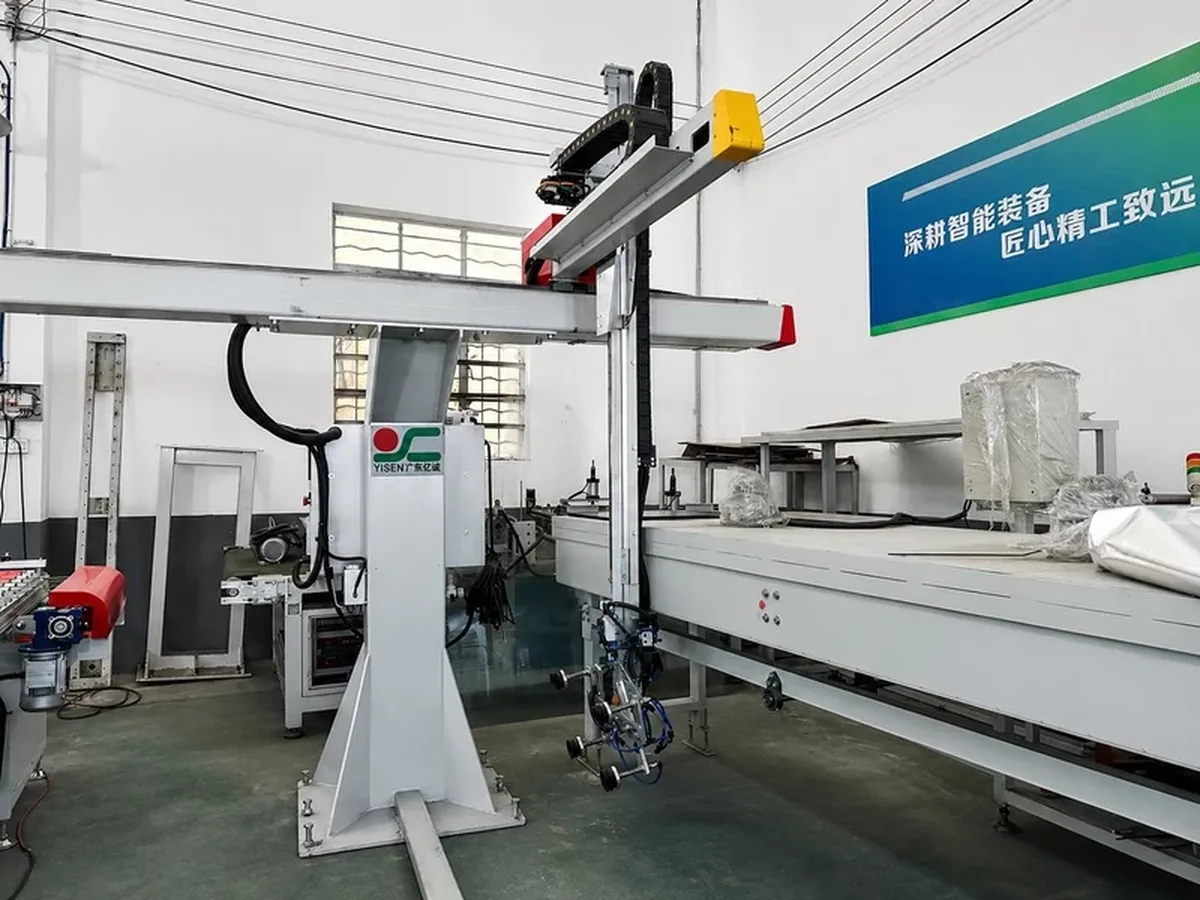
Practical buying scenario
A factory printing both large appliance panels and smaller control glass may need different guides, screens, and inspection recipes. A staged kit for the next job and a verified first-piece routine can reduce uncertainty without claiming a fixed universal changeover time.
Buyer FAQ
What is a reasonable changeover time?
It depends on the exact product transition and acceptance definition. Establish a baseline with a witnessed trial instead of using a generic target.
Should every adjustment be automatic?
No. Automation should be justified by frequency, risk, error potential, ergonomics, and economic value. Guided manual adjustments can be appropriate.
How should recipes be controlled?
Define naming, permissions, revision control, backup, restore, and confirmation of physical tooling that software cannot verify.
What spare change parts are needed?
Confirm wear items, dedicated product tooling, backup sensors, screens or fixtures, storage methods, and identification before shipment.
How can first-piece scrap be reduced?
Stabilize inputs, use repeatable locating and settings, verify recipes and tooling, and agree on a focused inspection plan for the first parts.
Prepare a useful RFQ
For changeover planning, send the product families, glass materials, dimensions, application conditions, artwork and ink changes, custom tooling needs, expected production mix, packaging and rack system, destination country, and required launch date. Confirm all final specifications, compliance responsibilities, commercial terms, and acceptance criteria with the supplier and qualified U.S. specialists.
For a focused glass printing line changeover discussion, submit the project details to YISEN. The technical team can review the confirmed application and propose the next engineering step.