
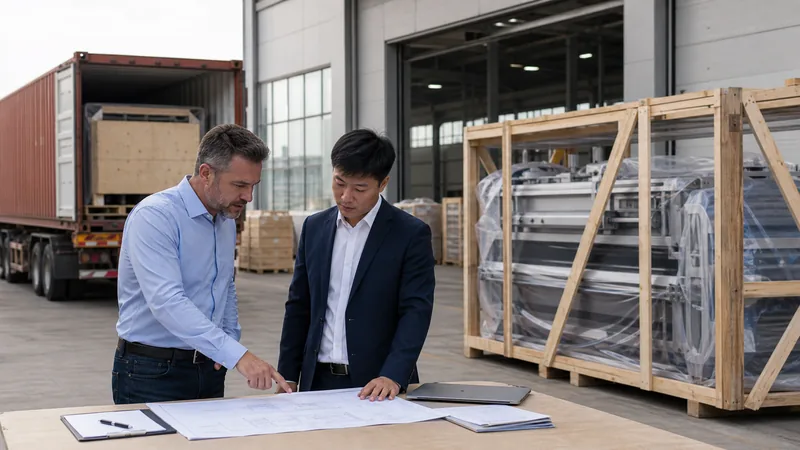
Quick answer: To import an automatic glass printing line into the United States, coordinate technical scope, contract terms, customs responsibilities, compliant shipping materials, electrical and safety review, inland delivery, rigging, installation, and acceptance before the machine is crated.
The importer remains responsible for understanding applicable U.S. entry requirements. A licensed customs broker can help with entry preparation, while the buyer, supplier, integrator, freight forwarder, and rigging contractor still need a written responsibility matrix.
Review YISEN’s related equipment category, custom automation service process, and manufacturing overview before requesting a project-specific proposal.
U.S. import planning for an automatic glass printing line
| Decision factor | Buyer question | Evidence to request |
|---|---|---|
| Commercial basis | Who controls freight, insurance, export clearance, import entry, and inland delivery? | Contract and Incoterms responsibility matrix |
| Customs data | Are description, value, origin, packing list, and classification inputs complete? | Broker-reviewed draft documents |
| Wood packaging | Will regulated wood packaging meet current U.S. requirements? | Supplier packaging declaration and visible treatment marks |
| Plant readiness | Are utilities, floor, access, rigging, network, and safety reviews complete? | Site-readiness checklist |
| Delivery route | Can crates pass ports, roads, gates, doors, and interior turns? | Route survey and crate dimensions |
| Acceptance | What is proven before shipment and after installation? | Linked FAT and site-acceptance protocols |
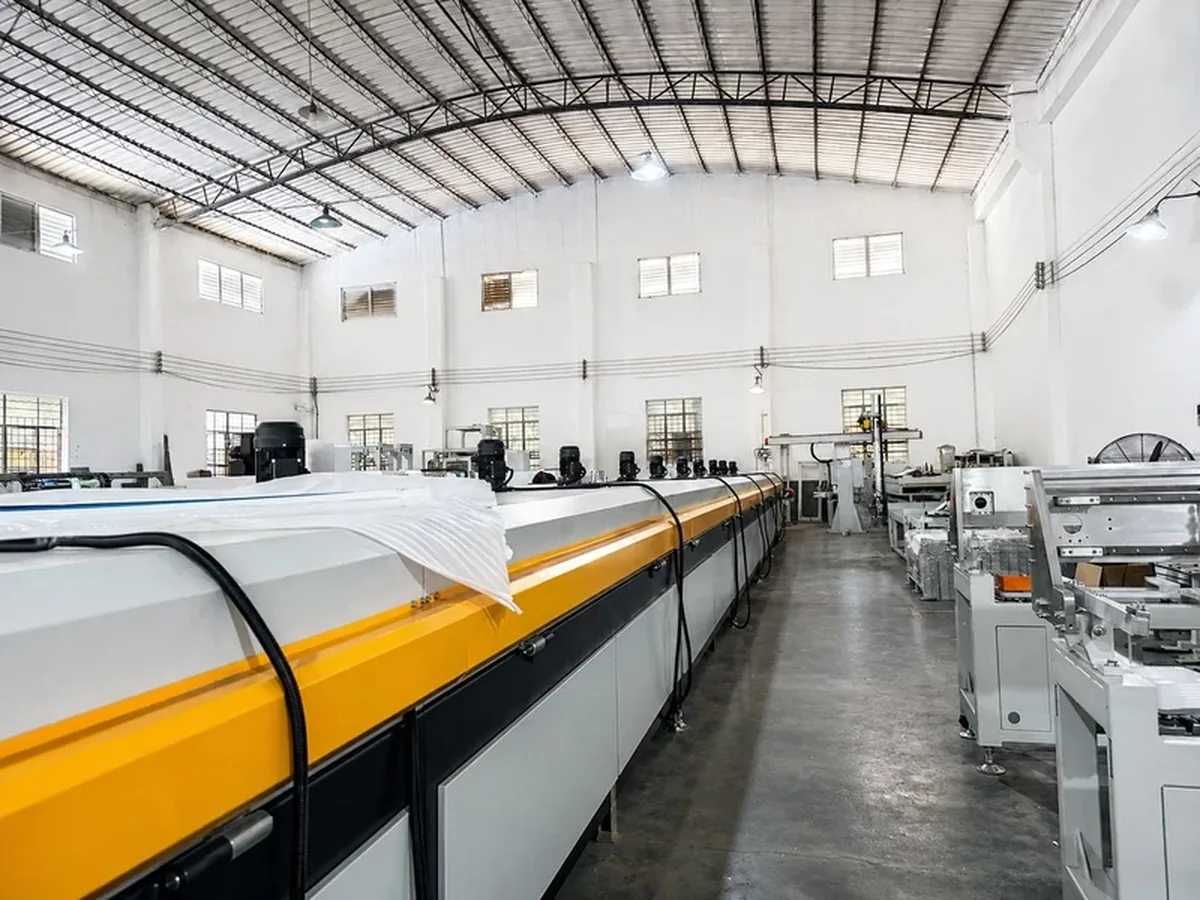
A practical procurement process
- Engage a broker and logistics team early. Share preliminary equipment descriptions, origin, values, dimensions, weights, shipping plan, and delivery location. Confirm current requirements with the responsible specialists before shipment.
- Review packaging before crating. Specify moisture protection, corrosion prevention, blocking, lifting points, center-of-gravity information, crate identification, and a detailed packing list. For regulated wood packaging, review current APHIS requirements.
- Prepare the site and route. Verify dock or crane access, rigging capacity, door openings, floor loading, utility drops, network policy, and guarded work areas. Align arrival with trained contractors and supplier support.
- Separate FAT from site acceptance. Prove supplier-site functions before shipment, then verify installation, plant interfaces, utilities, safety integration, and agreed production tests after commissioning.
Common purchasing mistakes to avoid
- Waiting for the bill of lading to involve a broker. Missing descriptions or inconsistent documents can create avoidable questions and delays.
- Using crate dimensions from an early quote. Final machine design, split points, accessories, and packaging can change the delivery route.
- Assuming the supplier owns every U.S. requirement. Responsibilities depend on the contract and the importer’s obligations; obtain qualified advice for the final shipment.
Practical buying scenario
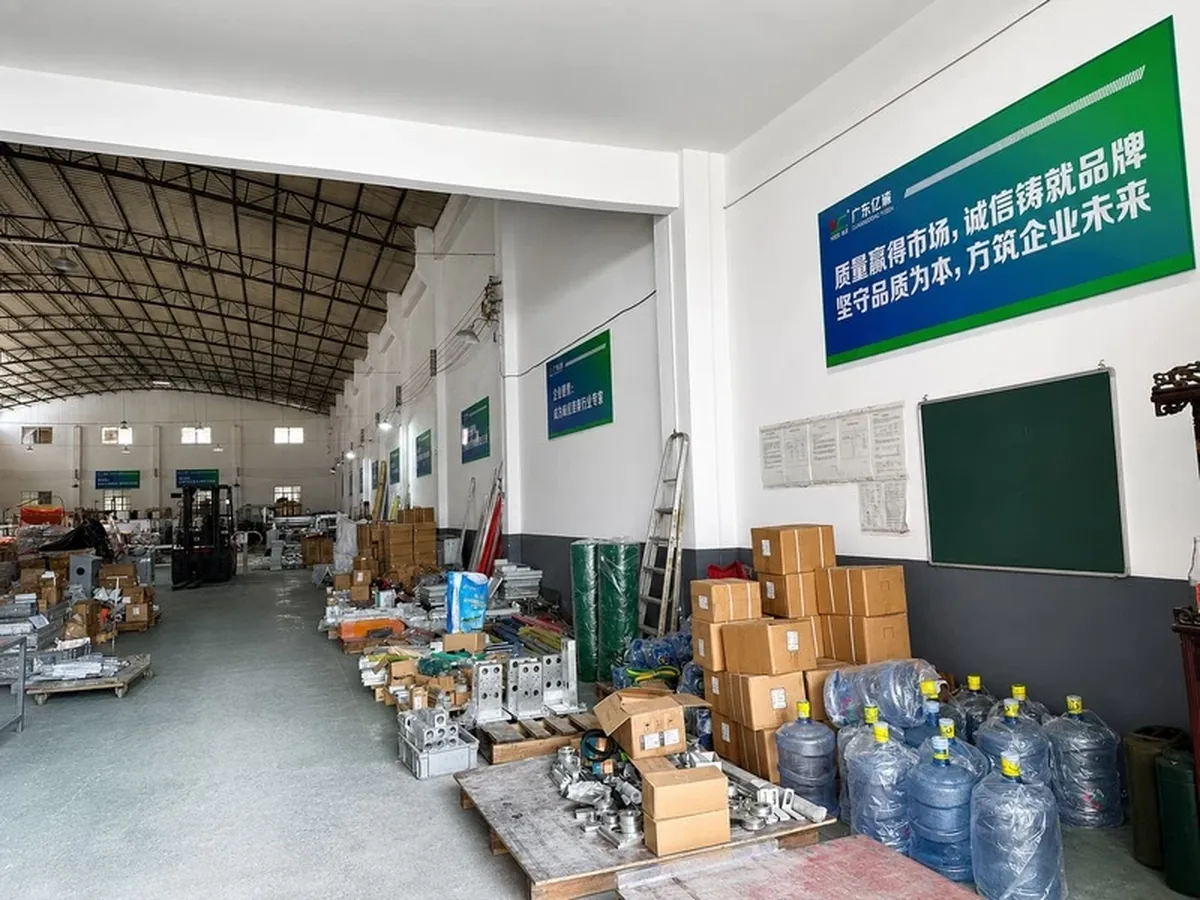
A line delivered to an inland U.S. plant may transfer between ocean, rail, truck, and local rigging providers. The buyer should confirm the handoff, storage conditions, oversize constraints, unloading method, and damage-inspection process for each stage.
Current U.S. and technical references
Requirements can change and depend on the final application. Review current official guidance and obtain qualified advice where needed.
- U.S. Customs and Border Protection: customs broker guidance
- USDA APHIS: wood packaging material requirements
Buyer FAQ
Do I have to use a customs broker?
CBP explains that importers may file their own entries, but the importer remains responsible for compliance. Many equipment buyers use a licensed broker to reduce avoidable errors.
Does every wooden crate require ISPM 15 treatment?
APHIS defines which wood packaging material is regulated. Confirm the current rule and the specific packaging construction before shipment.
Who should arrange inland rigging?
Assign responsibility in the contract. The selected party should verify crate data, route, unloading, lifting points, insurance, site access, and schedule.
When should installation technicians travel?
Tie travel to confirmed delivery, site readiness, safe access, utilities, tools, parts, and local labor. Build contingency into the plan for logistics changes.
What documents should arrive with the line?
Request commercial and packing documents plus manuals, drawings, parts lists, software backups, calibration records, FAT evidence, and installation instructions required by the contract.
Prepare a useful RFQ
For an import-ready proposal, send the equipment type, product material and dimensions, plant environment, customization scope, estimated production mix, crate and packaging requirements, U.S. destination, delivery access conditions, and required installation date. Confirm all final specifications, compliance responsibilities, commercial terms, and acceptance criteria with the supplier and qualified U.S. specialists.
For a focused import automatic glass printing line discussion, submit the project details to YISEN. The technical team can review the confirmed application and propose the next engineering step.