
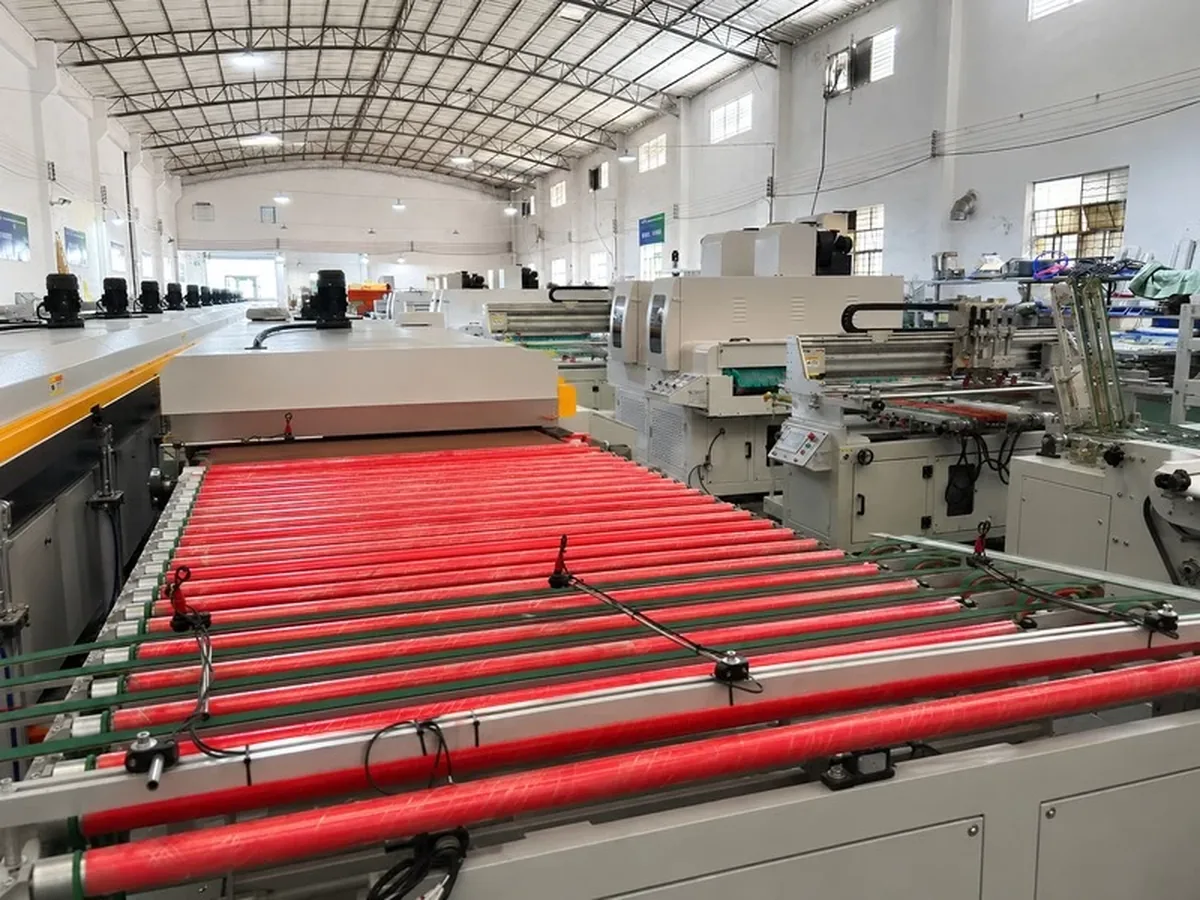
Quick answer: A glass screen printing machine factory acceptance test should prove the agreed functions with representative parts before shipment. The protocol needs objective pass/fail criteria, assigned responsibilities, recorded deviations, and a clear plan for retesting.
The FAT is not a plant commissioning test, but it is the best time to find design, interface, documentation, and process gaps while the supplier’s full build team is available. Freeze the protocol before travel and confirm that samples, screens, ink, utilities, gauges, and operators will be ready.
Review YISEN’s related equipment category, custom automation service process, and manufacturing overview before requesting a project-specific proposal.
Glass screen printing machine FAT checkpoints
| Decision factor | Buyer question | Evidence to request |
|---|---|---|
| Scope verification | Are every machine, option, interface, and exclusion accounted for? | Signed scope matrix and equipment walkdown |
| Safety functions | Do guards, interlocks, stops, alarms, and energy isolation behave as designed? | Functional test record and open-item list |
| Automatic sequence | Can normal, stop, restart, recovery, and fault modes be demonstrated? | Observed sequence with test results |
| Print result | Does the agreed sample meet the defined inspection criteria? | Measured sample report |
| Changeover | Can the selected product transition be completed with the documented method? | Timed demonstration and first-piece check |
| Deliverables | Are drawings, backups, manuals, parts lists, and training materials complete? | Document register with revision status |
A practical procurement process
- Prepare a responsibility matrix. Name who supplies samples, screens, ink, gauges, utilities, lifting equipment, test operators, and travel arrangements. Missing test materials should not become an informal waiver.
- Use a witnessed protocol. Record each item as pass, fail, conditional, or not tested. Attach photos, measurements, alarm records, software versions, and sample identification where they help trace the result.
- Control punch-list items. Give every deviation an owner, target date, correction method, and retest requirement. Distinguish shipment blockers from items that can be closed during site acceptance.
- Back up the machine state. Collect control-program backups, parameters, recipes, calibration values, passwords delivered under the contract, and the software needed to restore the accepted configuration.
Common purchasing mistakes to avoid
- Running only the normal cycle. Fault recovery, empty infeed, blocked outfeed, restart, and manual modes often reveal integration gaps.
- Accepting verbal promises. If an item matters to operation or maintenance, record it in the protocol or punch list.
- Skipping documents until shipment. Incomplete electrical drawings or backups can delay installation and future troubleshooting.
Practical buying scenario
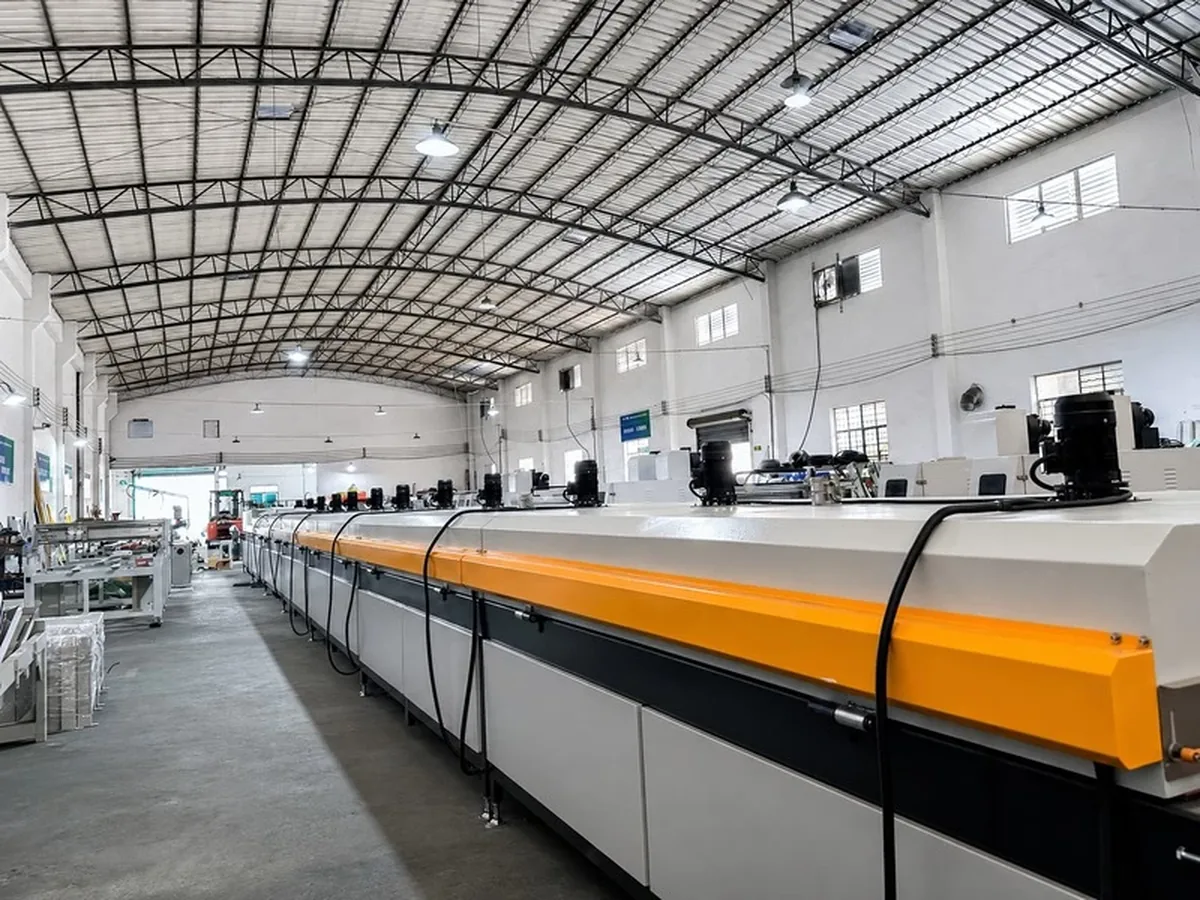
A buyer commissioning a glass line in the United States may have limited time with the supplier’s controls engineers on site. A strong FAT closes major sequence and documentation issues before the machine is crated, then reserves plant-specific utility and integration checks for site acceptance.
Buyer FAQ
Should the machine be fully paid before the FAT?
Commercial terms are contract-specific. Buyers commonly tie a milestone to defined acceptance evidence, but the payment structure should be agreed before the order.
Can the FAT be witnessed remotely?
Many functional items can be witnessed by live video and shared data, but camera placement, sample inspection, time zones, and document transfer should be planned.
What happens if a test fails?
The protocol should define correction, evidence, retest, schedule impact, and who bears additional travel or sample costs.
Is FAT the same as site acceptance testing?
No. FAT occurs before shipment under supplier-site conditions; site acceptance confirms installation, utilities, interfaces, and performance in the buyer’s plant.
How long should the test run?
Use a duration that is appropriate to the process risk and agreed objectives. A few demonstration cycles may prove functions but not sustained production stability.
Prepare a useful RFQ
To prepare an FAT proposal, send the product type, glass material, dimensions, application environment, required tests, custom functions, representative sample quantity, packaging expectations, destination country, and desired shipment date. Confirm all final specifications, compliance responsibilities, commercial terms, and acceptance criteria with the supplier and qualified U.S. specialists.
For a focused glass screen printing machine factory acceptance test discussion, submit the project details to YISEN. The technical team can review the confirmed application and propose the next engineering step.